
Ever had a conversation with your friends or family about eating? Did it contain the words “bad” or “good” or “naughty”? Did you feel weird talking about it?
I’m not surprised if the answer is yes to all three, as I don’t think I’ve met many women who have been at peace with eating, food or weight for their entire lives. It’s something that often comes up in coaching as it relates to body image and confidence.
And it makes me a bit angry, because it would be almost impossible for any woman alive today NOT to feel this way. From the ideal of the 1950s housewife, Twiggy in the 60s and on and on through heroin chic in the 90s to the recent return to skinny ideals online, it’s been a pretty intense 70-odd years of people (women) being told what their body “needs” to look like.
This has led to the odd way we talk about food. We assign moral values to it in a way that doesn’t really make any sense if you stop and think about it. Why is a jam doughnut “bad”? It isn’t very nutritious, true, but if you were starving or your body desperately needed sugar to survive, it would be very useful. How did you learn it was bad? What do people mean when they say it is? Is “bad” eating just eating what you like? Can “good” eating give any pleasure or must we just think of food as a joyless fuel?
This week I read a really interesting post by Dr Joshua Wolrich, a doctor and registered nutritionist who uses his social media accounts to debunk what he calls “nutribollocks”. He’s written a book about it, which I’d highly recommend, called Food Isn’t Medicine and he continues to post and work on the theme of Health At Every Size.
He states that there are 4 types of hunger, and crucially, that all of them are valid: physical, taste, practical and emotional. So we eat if our body signals it needs food, or because something just tastes good, or to prepare ourselves for upcoming activity, or because we have an unmet emotional need. He stresses that the fourth is NOT an odd one out. And my goodness, was I glad to read that someone, anyone in the world had named that.
For so long eating for any other reason than to fuel yourself every day has been regarded with a weird suspicion – as if the enjoyment of food, or the consumption of it for comfort was a weakness. We have been told that if we overeat it’s merely a lack of willpower, a self-indulgent sin, and even a morally reprehensible sign of some kind of unwillingness to “try”. That narrative is frankly gross.
And don’t get me started on the patriarchy that fed it to us. Of course it’s in their interest to keep us paranoid about this stuff, look at what they’ve been up to whilst they were telling us to pipe down and make ourselves “prettier” (read skinny and submissive).
Anyway, before I climb astride that high horse, I want to think about what accepting Dr Wolrich’s reclassification of hunger means for actual human women and their confidence in daily life. I think it’s potentially huge. Think about all the talk about “food noise” since the launch of jabs like Ozempic, and then think about the “food moralizing” that happens in your own head. Think about the “food judgement”, real or perceived, that hits you from all sides when you’re just buying a sandwich or stopping for that big delicious cake. Imagine the brain space we could all free up, and the way we could all stand taller if we could acknowledge that food has no moral value and stop bloody thinking about it. How much could we regain if we realise all eating is valid and let go of shame?
To give you an example of what we stand to get rid of, here is a list of things that I, a relatively well-educated 46 year old Feminist who has put a lot of time into knowing and loving myself better, have actually though in the last week:
“I’ve eaten that meal quicker than my friends. They’ll obviously think that’s why I’m fatter than them – because I have no self-control.”
“I’ve got PMT and my body is so gross I might as well go all in on these chocolate biscuits.”
“These new jeans I bought for our holiday are two sizes bigger than the ones I was buying 20 years ago. How did I let myself get here?” (Imagine my body being different after two decades!)
“What if all my perimenopause symptoms are just because I’m lazy and have a BMI over 25?”
This tells me that I have internalised diet culture so deeply that my brain cannot even stop itself from contradicting one of my core beliefs – that self-acceptance is vital to happiness. It tells me that I’ve been bombarded with the idea that pleasure in eating is weak. It tells me that I’m told the size or shape of my body is a commodity for other people to assess and measure my worth by. It tells me that the unsubstantiated moral value assigned to the food has morphed into a horrible, unfair, cruel judgement of me. Of us.
I’m sure by now your question will be, “but can coaching help with this?”. You also might be wondering if I’m fit to coach on it as it seems like I might be a bit triggered….! The answer is that the conversation is as important as the ensuing plan to combat it. Coaching is all about discussing what keeps you stuck and how you can move past it and above it. In that spirit, below are some ideas myself and clients came up with to rein in the guilt and know our unique worth. Enjoy, and please do drop your own in the comments!
- Curate your social media feeds to see more people who look like you and fewer who trigger a negative response in you.
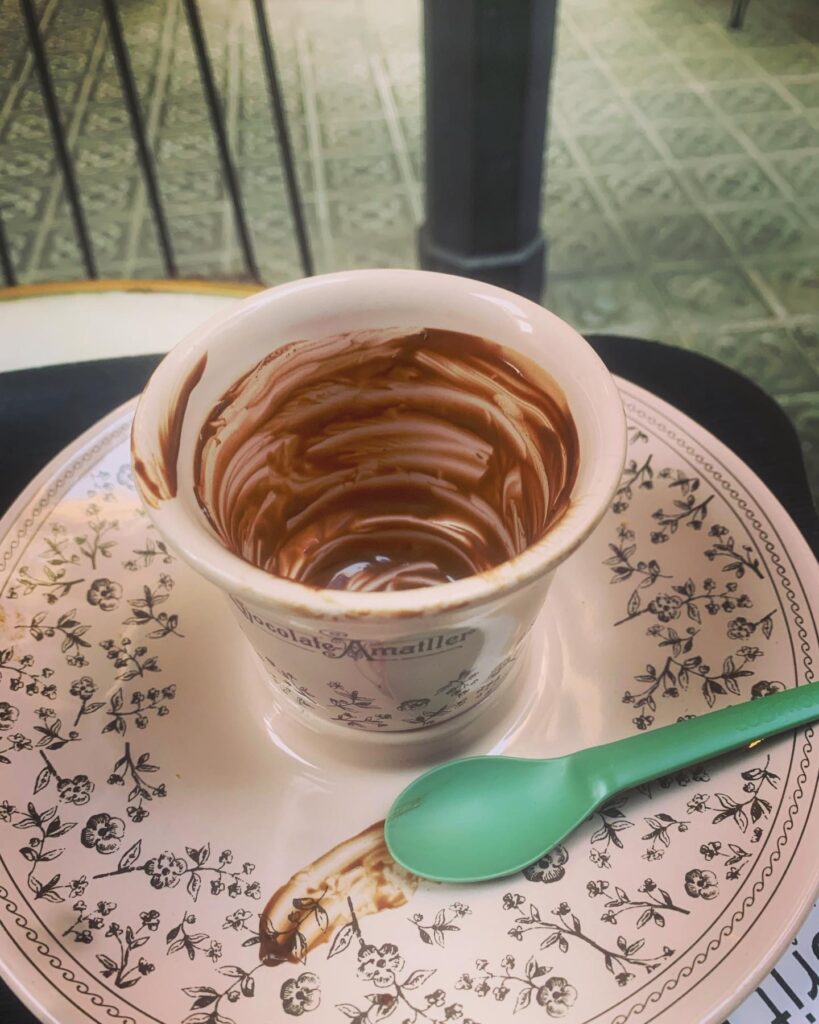
- Talk sense to yourself – does cheese-on-toast have a moral value? Of course not. Can it improve your mood on a wet Tuesday? Clearly.
- Don’t say anything to yourself that you wouldn’t say to a friend. Stop being mean. An oldie but a goodie.
- Scientific research exists that tells us that weight is not the miraculous indicator of health we were told. Read some if you’re interested.
- The Health At Every Size movement has super-interesting roots in human rights and sociopolitics – have a look: https://asdah.org/haes/
- Emotional eating does not make you weak, ridiculous or undisciplined because it is a valid physical response. Follow the brilliant @drjoshuawolrich for more insight and some entertaining debunking.
- There is no such thing as a food guilty pleasure, it’s just a pleasure.